Dortmund Poster — Germany Wall Art
Minimalist posters and wall art of Dortmund, Germany — premium print on 170 gsm coated silk paper, shipped to 32 countries.
Dortmund on the wall, in a quieter mood
Our designs
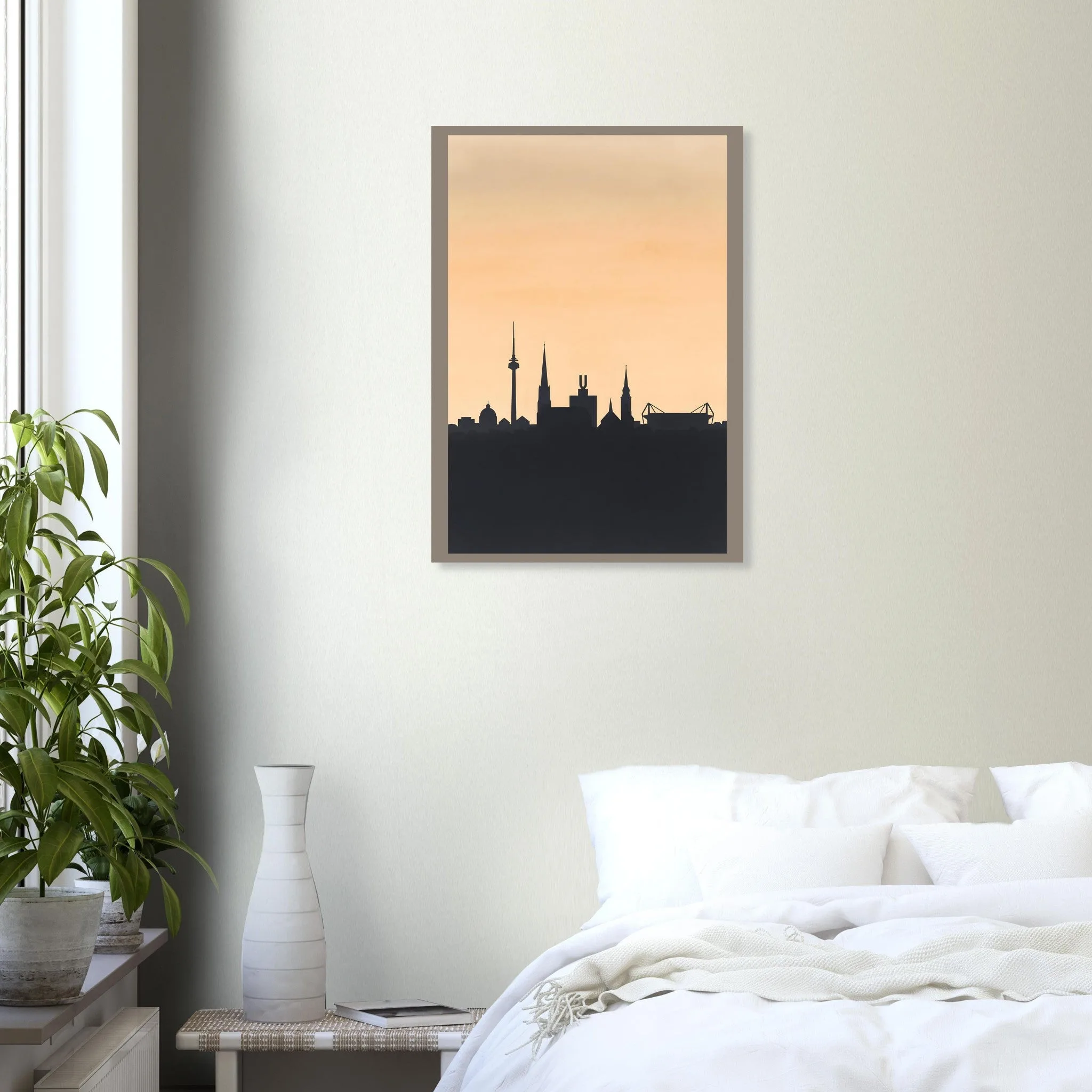
Silhouette skyline
from €19
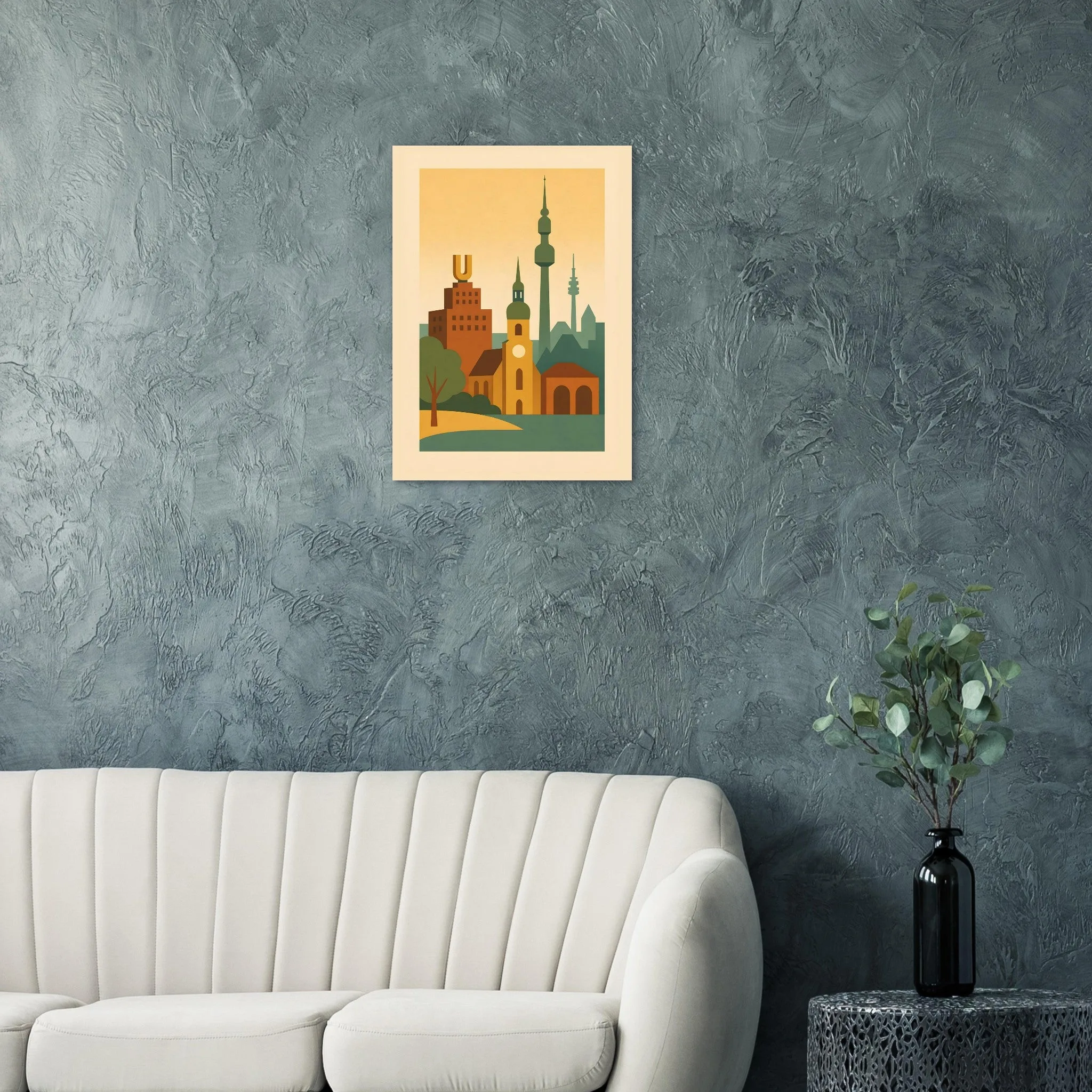
Mid-century modern
from €19
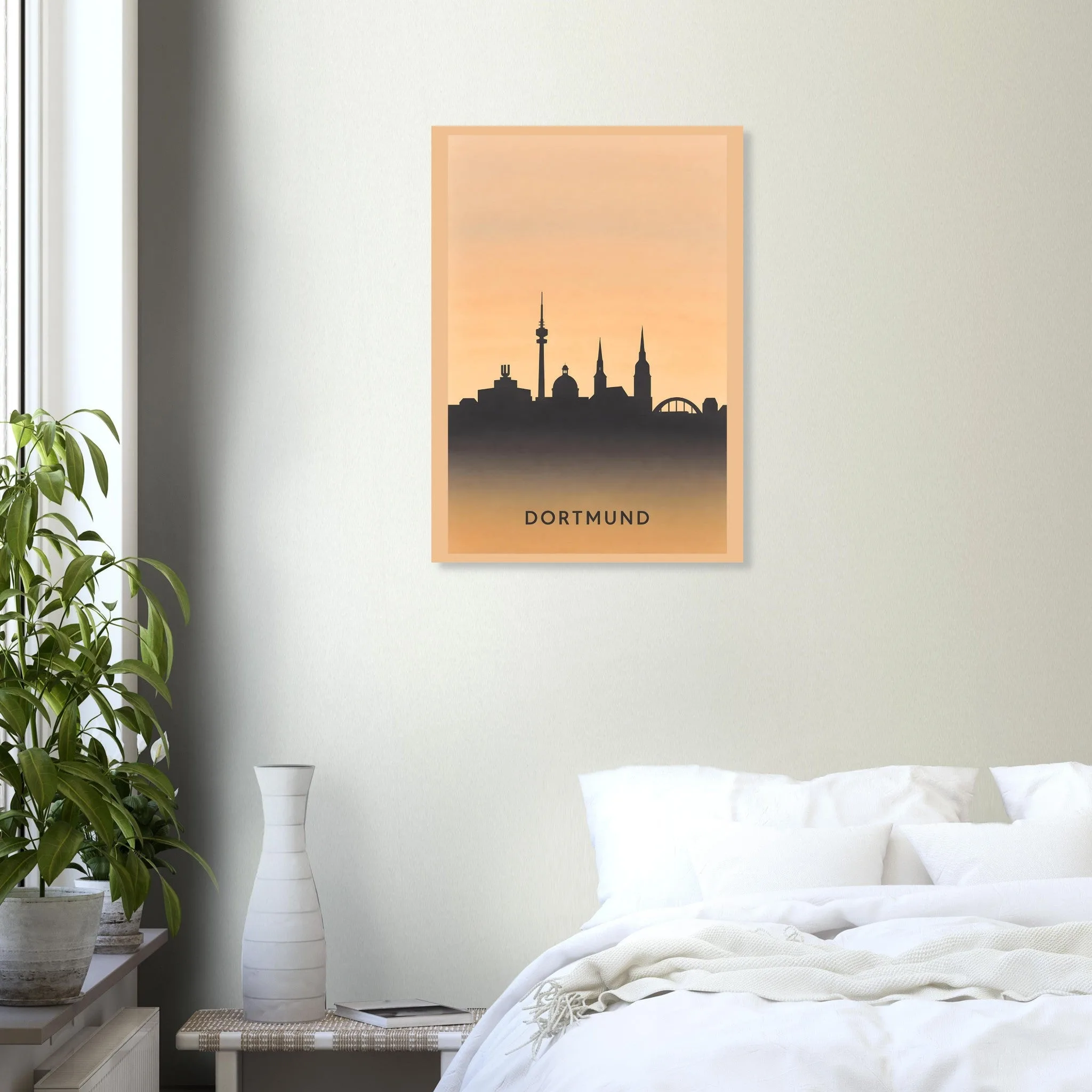
Silhouette skyline
from €19
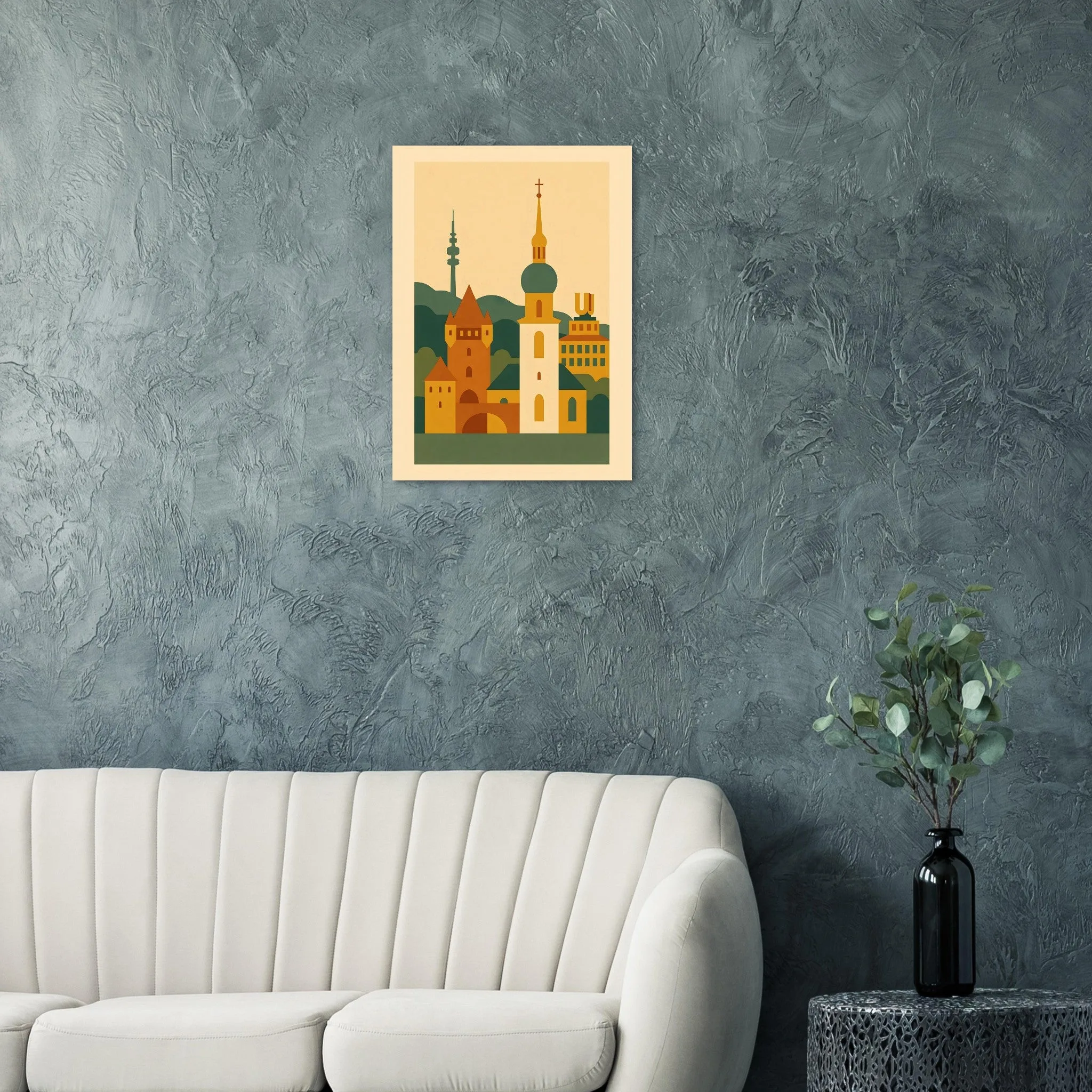
Mid-century modern
from €19
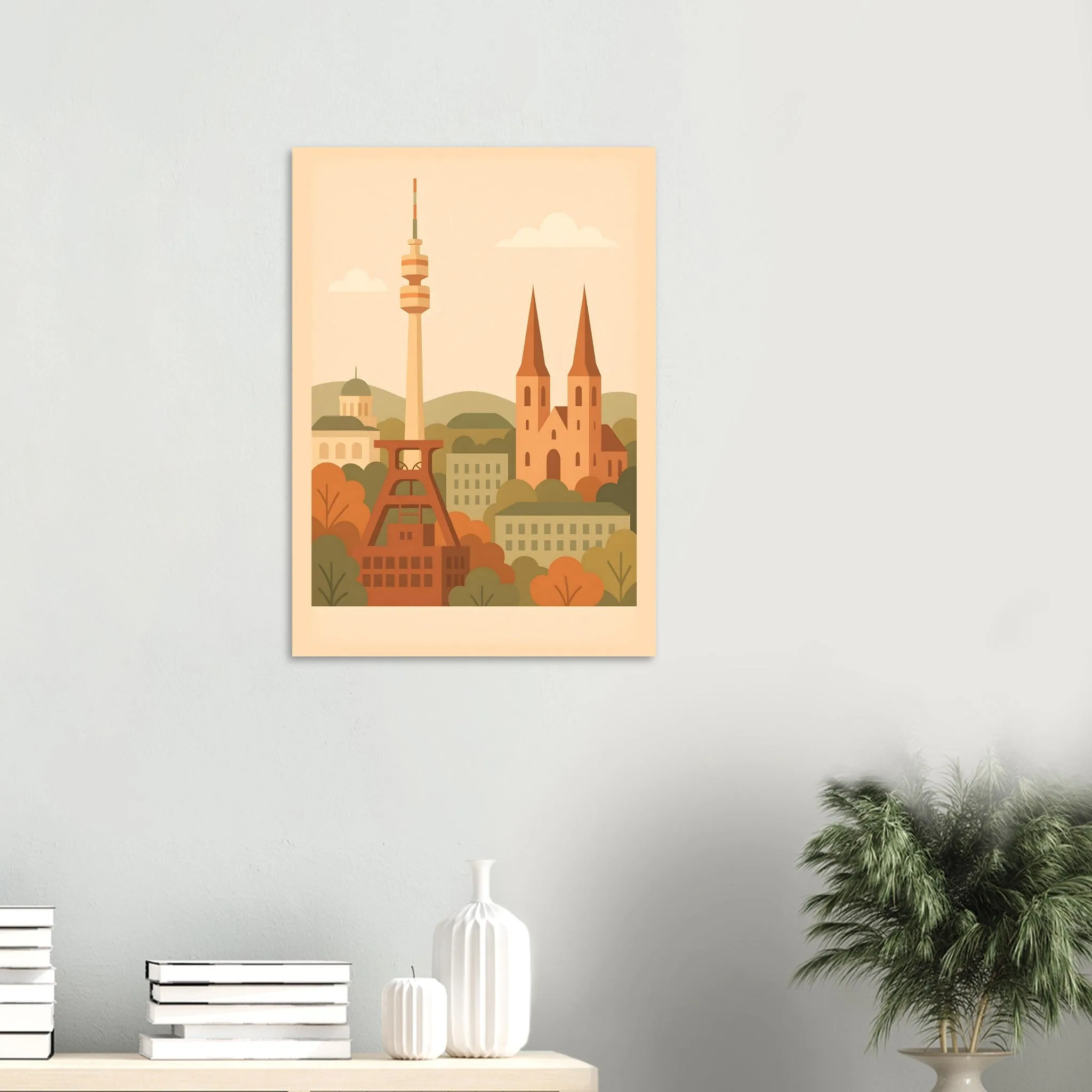
Flat vector illustration
from €19
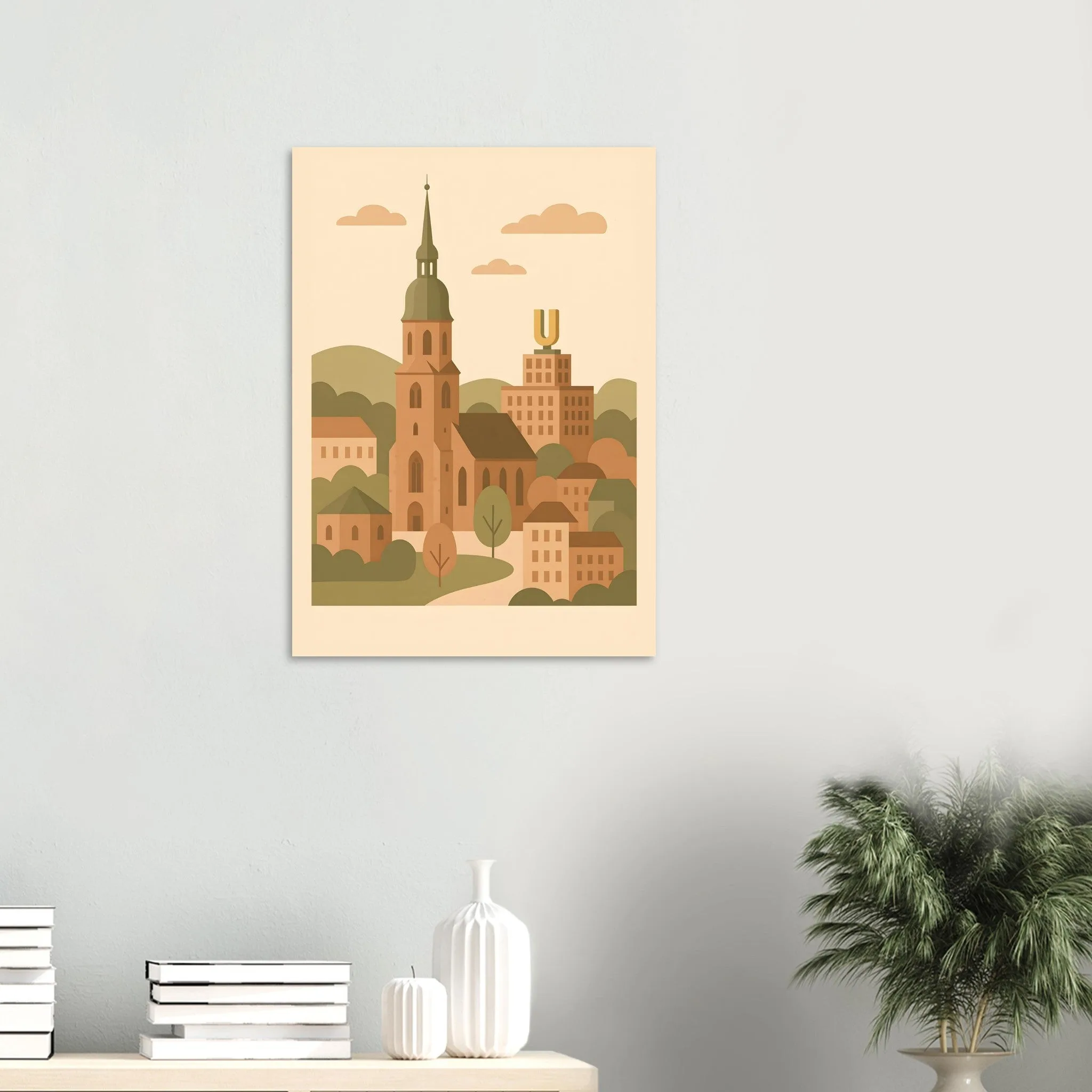
Flat vector illustration
from €19
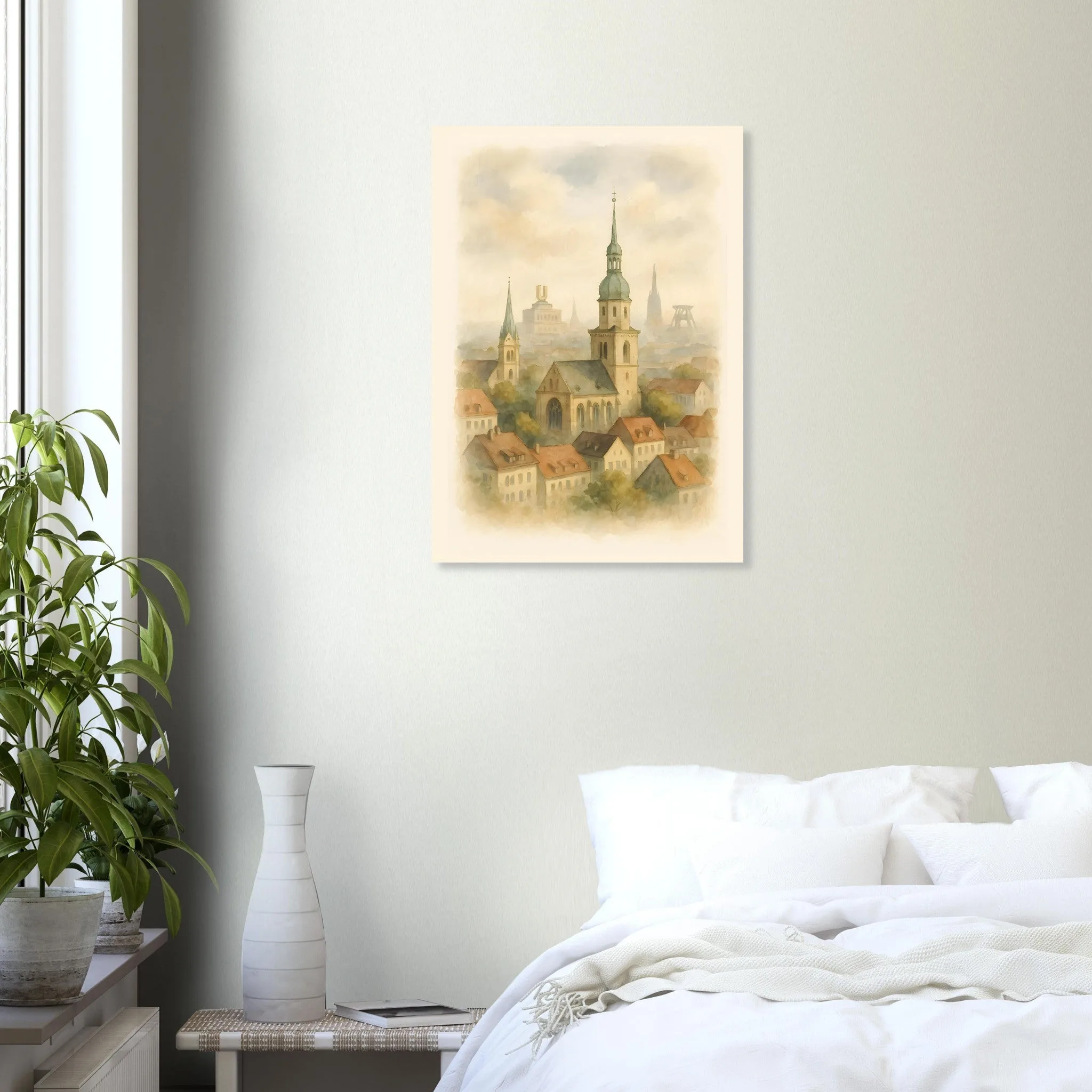
Watercolour landscape
from €19
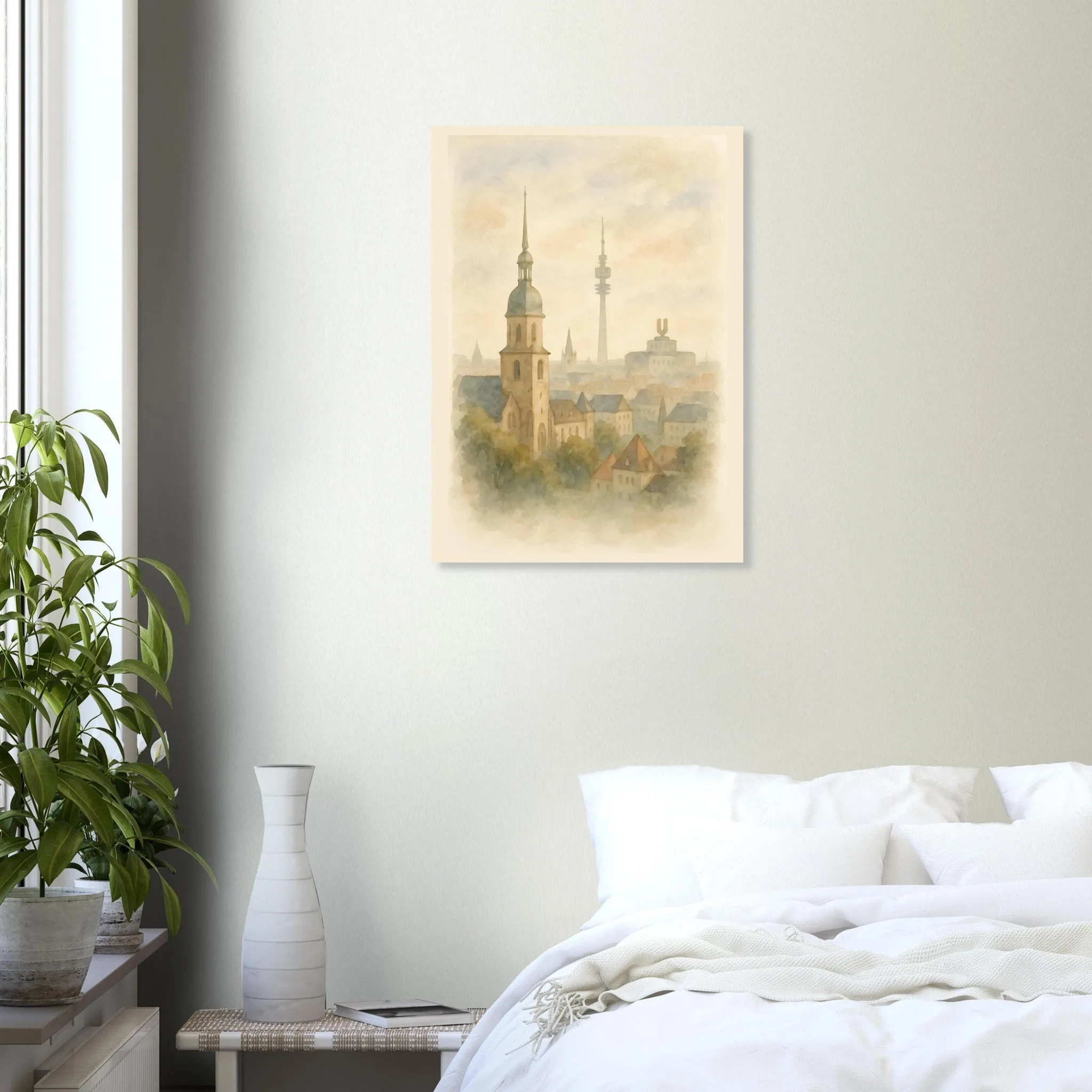
Watercolour landscape
from €19
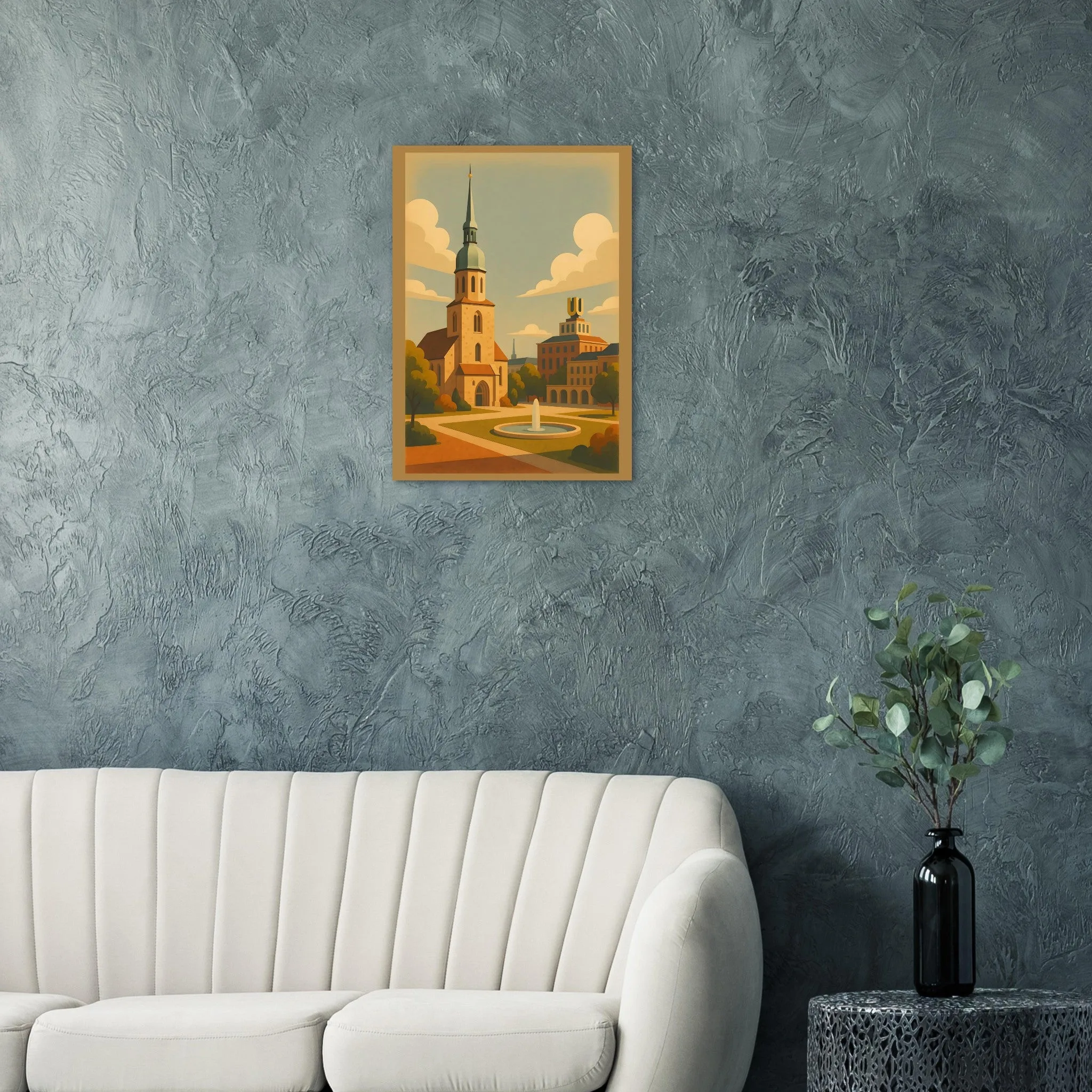
Vintage travel poster
from €19
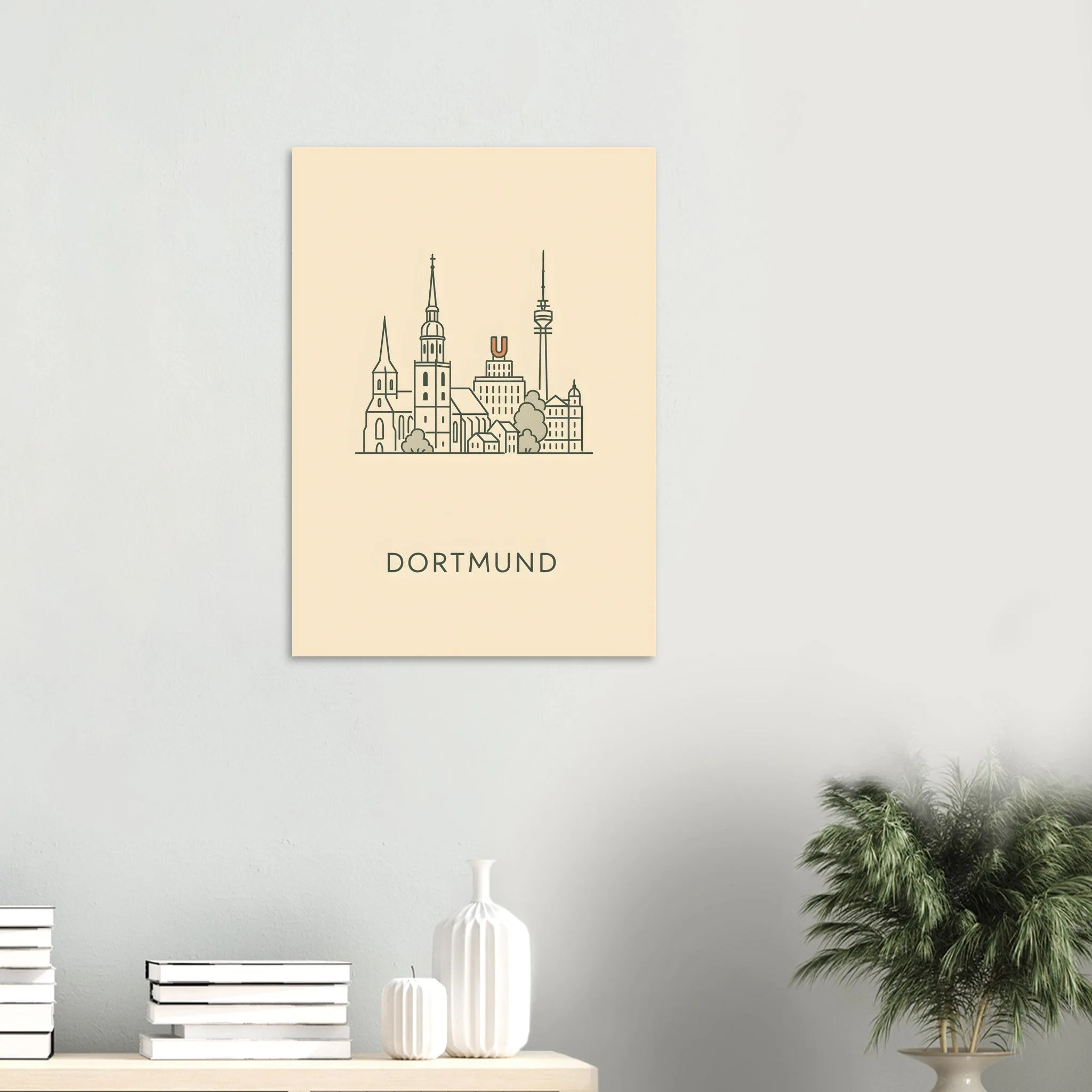
Minimalist line art
from €19
Dortmund is a city that carries its past with an unshowy confidence. In the eastern Ruhr, where the Emscher and Ruhr shape the landscape and the streets seem to remember coal, rail and work, the city feels both grounded and open to change. It is the largest city in the Ruhr, the largest city in Westphalia, and one of the defining places of North Rhine-Westphalia — a city of scale, but also of familiar corners and everyday pride.
That mix is part of what makes Dortmund feel so recognisable to the people who know it. The centre has the practical rhythm of a city that has always been busy, while the wider neighbourhoods hold quieter, more residential moods. Dortmund is also part of the Rhine-Ruhr Metropolitan Region, one of Europe’s major urban areas, yet it still keeps a distinct local voice. In Low German terms, it sits in the dialect area that stretches across the north of the country, and that linguistic background gives the city an added layer of regional character.
Founded in 882, Dortmund is not a place that needs to announce its history loudly. You feel it in the long lines of the streets, in the older layers beneath the modern city, and in the way the place has moved from medieval roots to industrial centre to contemporary urban hub. At about 280.71 km² and with more than 640,000 residents, it is expansive enough to contain many versions of home — from first flats to old family streets, from student years to workday routines.
Dortmund’s appeal is often in the details rather than the grand gesture. It is a city of useful distances, of stations and thoroughfares, of football conversations that start casually and become serious in seconds. It is also a city with a strong civic identity: administrative, commercial and cultural in the eastern Ruhr, but never reduced to those labels alone. The mood shifts from one district to the next, yet the city keeps a clear sense of itself.
Its geography gives it a particular texture. The Emscher and Ruhr are not just names on a map; they belong to the wider memory of the region, where rivers, industry and urban growth have always been intertwined. Dortmund sits at an elevation of about 103 metres, and that modest height suits the city’s character: not dramatic, but steady, set slightly above the flatness that some people expect from the Ruhr. There is a practical dignity in that, a sense of a place built to work and to endure.
History is present too, though often in fragments. Dortmund’s inception dates back to 882, which means the city has had centuries to gather stories, trade routes, rebuilding, reinvention and everyday continuity. In a place like this, memory is not only preserved in monuments. It lives in station platforms, in market streets, in the familiar geometry of neighbourhoods, and in the way people refer to home. For former residents, a single view can bring back the sound of the city at rush hour; for visitors, it may be the feeling of arriving somewhere larger and more lived-in than expected.
That is why Dortmund works so well as a piece of wall art. Not because it is polished into abstraction, but because it still feels inhabited. The city’s identity comes from overlap: old and new, local and metropolitan, industrial and cultural, everyday and emblematic. It is the kind of place that can mean different things to different people, and still feel unmistakably Dortmund.
If you know the city, you may picture the broad urban fabric, the routes in and out, the sense of movement around the centre, or the memory of a particular district on a grey afternoon. If you do not, you can still sense the atmosphere: a strong northern-Ruhr city, proud of its scale, shaped by work, and softened by the ordinary rituals of daily life. Dortmund does not need to perform charm. It already has something better — familiarity that deepens the longer you stay with it.
Choosing a Dortmund poster for your home
Some rooms ask for a city print that feels calm and architectural; others can handle something with a little more presence. In a living room, a larger Dortmund piece can anchor a sofa wall or sit above a sideboard, especially if your interior leans warm — oak, brass, sand, tobacco, or muted terracotta. In those spaces, Dortmund’s urban character adds structure without making the room feel cold.
Smaller formats work well in hallways, studies, and bedrooms, where the city can appear as a quiet memory rather than a statement. If your home is cooler in tone — white walls, black metal, grey textiles, pale wood — Dortmund’s clean lines and city geometry can bring just enough contrast. A3 often suits narrow walls and gallery arrangements, while 50×70 cm has the presence to stand alone. A4 can be a good choice for shelves, desks, and compact corners where you want a place to appear almost like a private note to yourself.
Framed or unframed depends on the feeling you want. Unframed prints can stay relaxed and contemporary; framed versions tend to look more settled, especially in rooms where you want the city to read as part of the interior rather than an accent. Printed on 170 gsm FSC-certified semi-gloss silk paper with archival inks, the finish is made to feel tactile and lasting, with colours that stay soft rather than glossy.
Dortmund posters as gifts
A Dortmund poster is often a gift for someone who already carries the city with them. Former residents tend to recognise it immediately, because a city print can hold the memory of a first apartment, a student year, a family home, or the route they used to take every day without thinking. It also makes sense for travellers who left a piece of themselves there, and for expats who want a familiar place on the wall without making the room feel sentimental in an obvious way.
It can be a thoughtful present for locals too, especially when the occasion calls for something personal but not overly formal. Housewarming gifts, birthdays, Christmas, and retirement all suit this kind of present. It says: I know where you come from, or I know where part of your life happened, and that place still matters. That is often more meaningful than something generic.
Because Dortmund is such a large and varied city, the gift can mean different things depending on who receives it. For one person it may recall the centre and the daily rhythm of work; for another, the wider Ruhr landscape; for someone else, simply the comfort of a city that feels like home in the most practical sense. That flexibility is part of the appeal.
What makes our Dortmund posters different
We keep the focus on the place itself. The design approach is rooted in verified geographic and historical facts, so the result feels grounded rather than decorative for its own sake. Dortmund is not treated as a generic city shape; its identity comes from the real city behind it — its location in North Rhine-Westphalia, its place in the Ruhr, its long history, its scale, and its unmistakable urban character.
The prints are produced locally with a warm minimalist palette that suits both contemporary and more classic interiors. The aim is not to overwhelm a wall, but to let the city sit naturally in the room, like a memory that has found its right frame. We also use sustainable materials, so the object feels considered from the inside out, not only in how it looks.
That balance between accuracy and atmosphere matters. A city poster should remind you of a place without flattening it into cliché. Dortmund deserves that kind of attention: precise enough to be true, soft enough to live with every day.
Sizes and prices
If you are choosing by wall size, the smaller formats are usually easiest to place. A4 starts at €19 and works well for compact spaces, shelves, and gift-giving. A3 is €29 and suits most standard walls or a mixed gallery layout. The 30×40 cm format is €34 and often feels especially versatile in hallways, bedrooms, and offices. For a more substantial presence, 50×70 cm is €49 and gives the city room to breathe.
There is no single right size for a city like Dortmund. Some homes want a quiet reminder; others want a stronger focal point. If you are pairing the print with other artworks, a smaller format can keep the arrangement balanced. If it is going above a bed, sofa, or console, the larger sizes tend to read more naturally. In every case, the idea is the same: to make the city feel present without making the room feel busy.
However you choose to display it, Dortmund has a way of settling in. It is a city of memory, work, movement and belonging — and that makes it a natural subject for wall art that is meant to stay with you.
Frequently asked questions
What sizes do Dortmund posters come in?
Our Dortmund posters come in four standard sizes: A4 (21×30 cm) from €19, A3 (30×42 cm) from €29, 30×40 cm from €34, and 50×70 cm from €49. All sizes are printed on 170 gsm semi-gloss FSC-certified silk paper.
How long does shipping take?
We print locally via Gelato in 32+ countries. In Europe, your order typically arrives within 3–5 business days of purchase. Free EU shipping on every order — no minimum.
What's the print quality like?
We print on 170 gsm FSC-certified semi-gloss silk paper using archival inks. Colours are warm, muted, and lightfast for years — made to stay on a wall, not fade in a season.
Can I order a framed Dortmund poster?
Framed options are coming soon. For now, we ship unframed posters — our standard sizes fit common off-the-shelf frames from IKEA, HAY, Desenio, and others.
Where do the designs come from?
Each Dortmund design begins with verified facts from open geographic sources — Wikipedia, OpenStreetMap, GeoNames. We only depict what's historically and culturally rooted in a place, never inventions.
Can I return my poster if I'm not happy?
Yes. We offer 30-day free returns. If your poster doesn't feel right once it's on your wall, send it back for a full refund.